The Forensic Services branch was established in the early 2000s, after a series of consultations by the then Director of Criminal Investigation, Commissioner of Police and the office of the President under the Permanent Secretary. It was then, that the government decided that the Police Forensic Laboratory be established under the then Criminal Investigation Department.
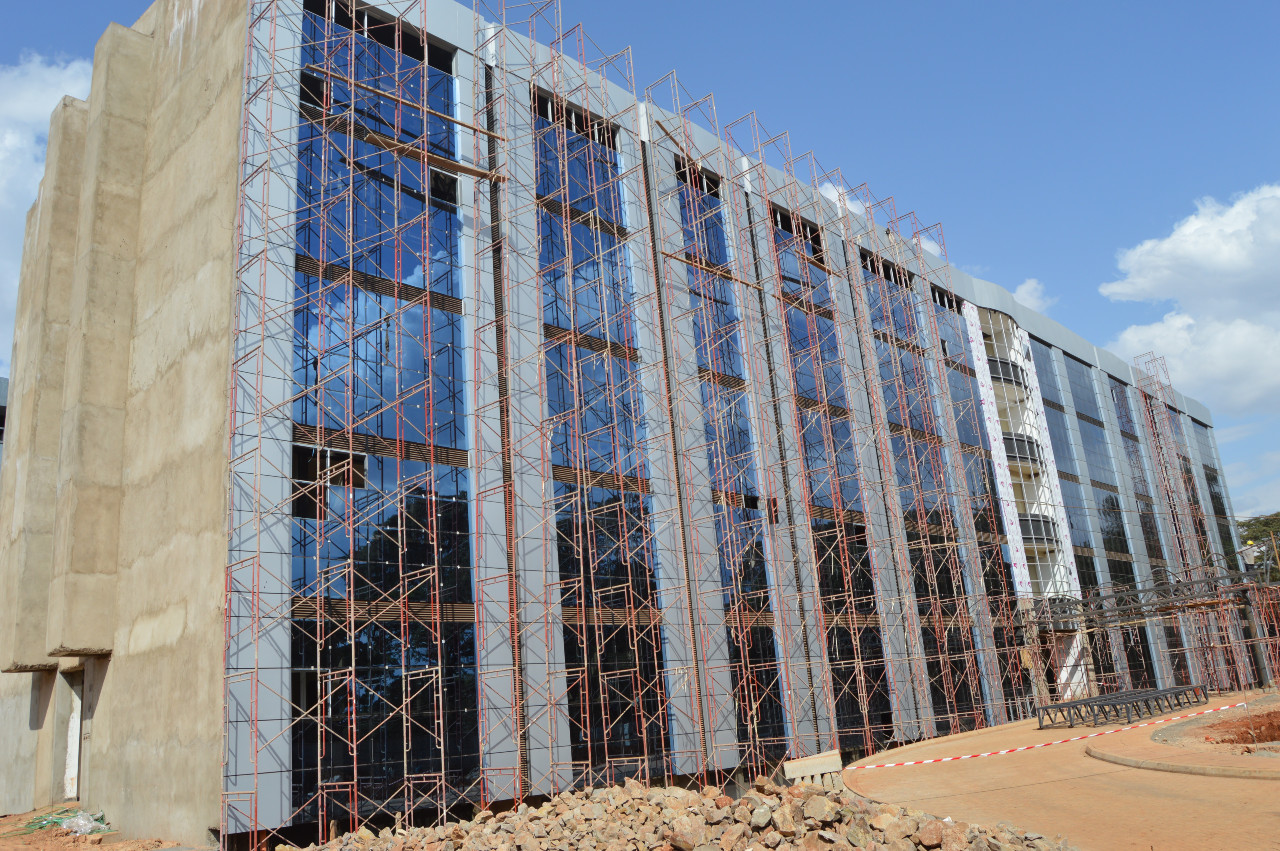
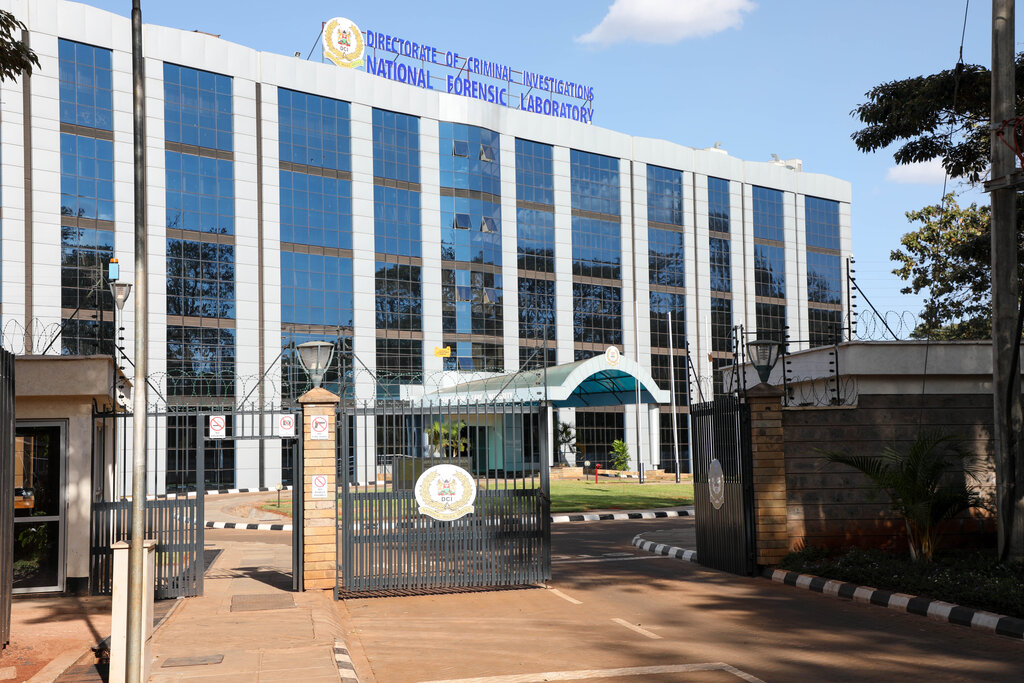
The National Forensic Lab is the backbone of the Forensic Directorate and was officially opened by H.E the former President Hon Uhuru Kenyatta of the republic of Kenya on 13th June 2022.
The overall mandate of the NFL is to support criminal investigations in the Directorate of Criminal Investigations (DCI) and the entire National Police Service. The Laboratory scientists analyse evidence collected from crime scenes, suspects and victims. The evidence can be fingerprints, firearms, digital evidence, biological or chemical.
The DCI National Forensic Lab plays a crucial role in providing expert scientific and technical support to investigative processes across the country. By offering accurate forensic analysis and evidence examination, the lab significantly enhances the effectiveness of investigations conducted by the National Police Service and other law enforcement agencies. Its services extend to bodies such as the Independent Policing Oversight Authority (IPOA) and the Ethics and Anti-Corruption Commission (EACC), ensuring that all investigations are backed by reliable, objective scientific data. This vital support fosters transparency, accountability, and the pursuit of justice throughout the entire criminal justice system.
The Directorate of Forensic Services is established and headed by a Director under the direction, command and control of the Director of Criminal Investigations.
Key Duties and Responsibilities of the Director of National Police Service Forensic Lab are:
i. Leadership and Administration: Overseeing the overall operation and administration of the forensic lab, ensuring that all units are functioning efficiently.
ii. Strategic Planning: Developing and implementing strategic plans that align with national law enforcement objectives and forensic standards.
iii. Resource Management: Mobilizing resources, managing the allocation of resources, including staff, budget, equipment, and facilities, to enhance lab capabilities and functions.
iv. Quality Assurance: Establishing and monitoring quality control protocols to ensure that all forensic analyses meet legal and scientific standards.
v. Personnel Oversight: Recruiting, training, and supervising forensic scientists and support staff, fostering a culture of continuous learning and professional development.
vi. Collaboration and Linkages: Liaising with law enforcement agencies to provide expert consultation, support forensic investigations, and facilitate evidence processing.
vii. Research and Development: Encouraging and participating in research initiatives to advance forensic methodologies and technologies through partnership and collaboration.
viii. Policy Development: Formulating policies and procedures governing forensic investigations, data management, and evidence handling.
ix. Reporting and Documentation: Ensuring accurate documentation of findings and comprehensive reports are done for law enforcement and judicial proceedings.
x. Public Engagement and Education: Promoting public awareness of the forensic lab’s role in the justice system, possibly through community outreach and educational programs.
xi. Compliance and Ethics: Ensuring compliance with local, national, and international forensic standards, ethical guidelines, and legal regulations.
xii. Any other duty and responsibility that may be assigned to him/her by the Director, Directorate of Criminal Investigations, or through any other written law or regulations.
The directorate shall coordinate the operations of the National Forensics Laboratory including:-
i. Coordination of all forensic services and operations
ii. Examining forensic evidence collected from crime scenes, including fingerprints, firearms and biological samples
iii. Assisting law enforcement in scientific interrogation of crime scenes in the view of detecting, recognizing, documenting, collecting, preserving, and analyzing evidence from crime scenes
iv. Analyzing firearms and ammunition linked to crimes and identify the use of specific weapons
v. Conducting DNA analysis and examining biological samples to identify victims, suspects and unknown bodies
vi. Conducting chemical analyses of evidentiary materials including drugs and alcohol, explosives, and toxic substances to determine their chemical composition and relevance to criminal case.
vii. Assessing documents for authenticity, fraud detection, and handwriting analysis
viii. Investigating digital evidence including the retrieval and analysis of data from electronic devices such as computers, mobile phones, and storage devices, to uncover evidence in cybercrimes
ix. Undertaking forensic investigations in cases involving bomb and hazardous materials.
x. Fingerprint and biometric analysis for purposes of identification
xi. Receiving, coding, storage, distribution and dispatch of forensic data, samples and other relevant material obtained in the course of forensic investigations, for the purposes of criminal investigations
xii. Ensuring all forms of data retained in the lab are processed, managed and secured in a manner that guarantees their safety and integrity
xiii. Carry out forensic analysis of images captured/ recovered in the course of criminal investigations including acoustic components
xiv. Ensuring that all analyses follow legal and scientific standards to maintain integrity and reliability
xv. Providing ongoing training for law enforcement and conducting research to improve forensic methodologies and technologies
xvi. Preparing detailed reports of findings and providing expert testimony in court regarding the analysis and interpretation of evidence
xvii. Any other forensic investigations required to support criminal investigations or requested by authorized agencies
xviii.Infrastructural support of all the Laboratory services and systems Performance of any other duties as may be assigned to the unit
xix. Performing any other functions that may be referred to it by the Director of Criminal Investigations