Forensic Quality Assurance Section
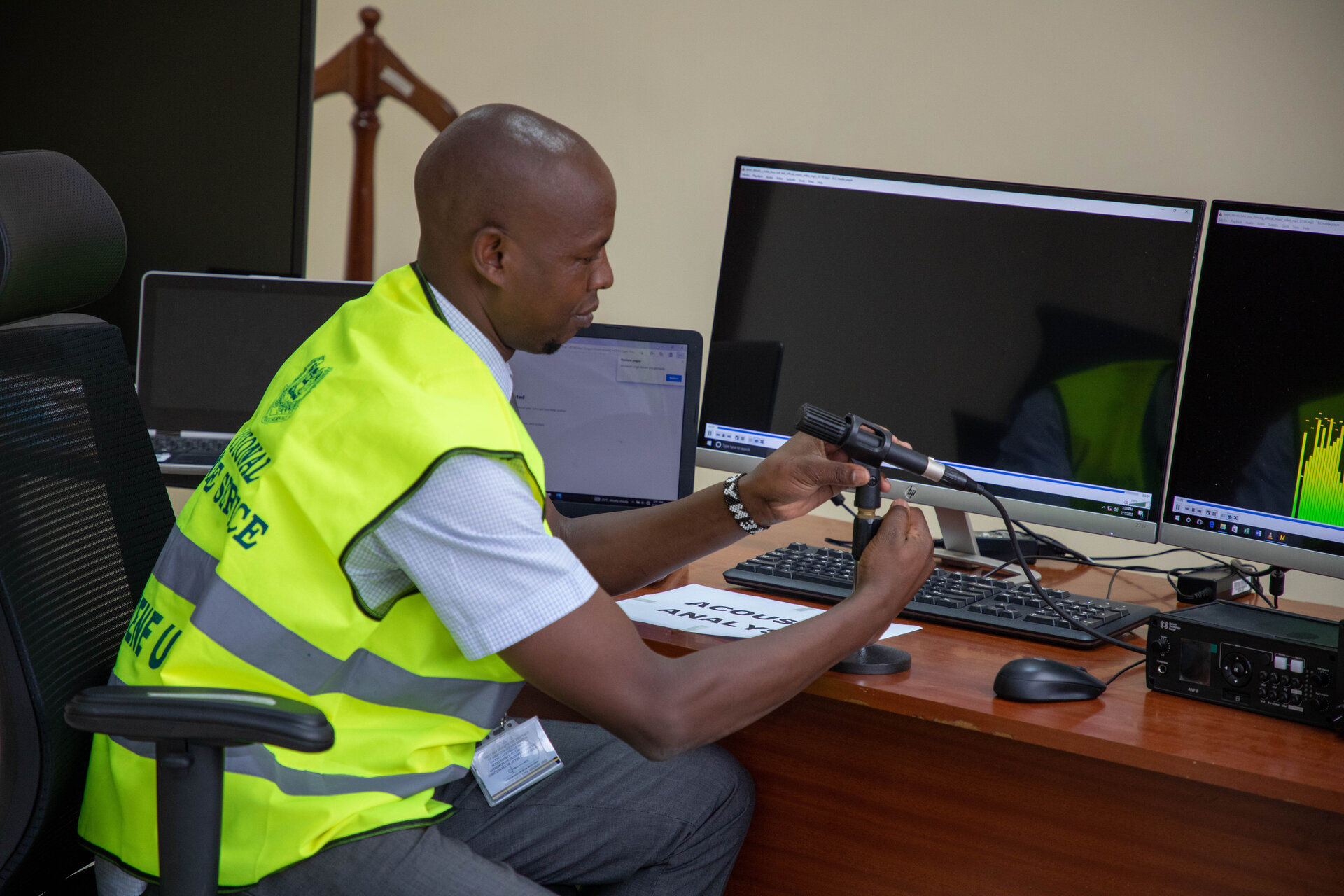
Forensic Quality Assurance Section
The unit is mandated to undertake the following functions;
i. Ensure the laboratory meets International accepted standards and maintenance of accreditation status
ii. Ensure effective calibration and maintenance of instruments
iii. Ensure validation of processes before use in analysis
iv. Coordinate external proficiency testing and quality control of the processes
v. Monitor and evaluate performance of the personnel and equipment
vi. Plan and coordinate continuous training and education
vii. Control quality documents and records (manuals, procedures and forms)
viii. Receive, assess and act on complaints and feedback on NFL issues
ix. Plan, conduct & coordinate internal and external audits
x. Performing any other functions that may be referred to it by the Director Forensics
The Unit consists of the following sub-units:
a) Audit
b) Competencies and training
c) Verifications and validations
a) Audit sub unit
i. Plan, conduct, and document internal audits of forensic units and processes
ii. Coordinate and support external audits and accreditation assessments
iii. Evaluate compliance with:
• Quality Management System (QMS)
• Standard Operating Procedures (SOPs)
• Technical and Training manuals
iv. Identify nonconformities, risks, and opportunities for improvement.
v. Monitor and verify corrective and preventive actions
vi. Maintain audit records and reports.
vii. Promote continuous improvement and quality culture within forensic operations.
b) Competencies and training sub-unit
i. Define competency requirements for forensic roles and disciplines.
ii. Develop and manage training programs
iii. Assess and document staff competency, proficiency, and authorization.
iv. Coordinate proficiency testing, competency assessments, and re-certification.
v. Maintain training and competency records in compliance with accreditation standards.
vi. Identify training needs based on audits, performance reviews, and new methods.
vii. Support career development and succession planning.
viii. Ensure only competent personnel perform forensic examinations, analyses, and testimony.
c) Verification and validation sub-unit
i. Plan and conduct method verification
ii. Perform method validation for new, modified, or in-house forensic methods.
iii. Validate:Analytical methods,Software and digital tools,Instruments and equipment
iv. Establish and document performance characteristics (accuracy, precision, sensitivity, specificity, uncertainty).
v. Review and approve validation and verification reports.
vi. Ensure methods meet legal, scientific, and accreditation requirements.
vii. Monitor ongoing method performance through quality control and trend analysis.
viii. Support expert testimony by providing scientific justification for methods used.