Ballistic Section
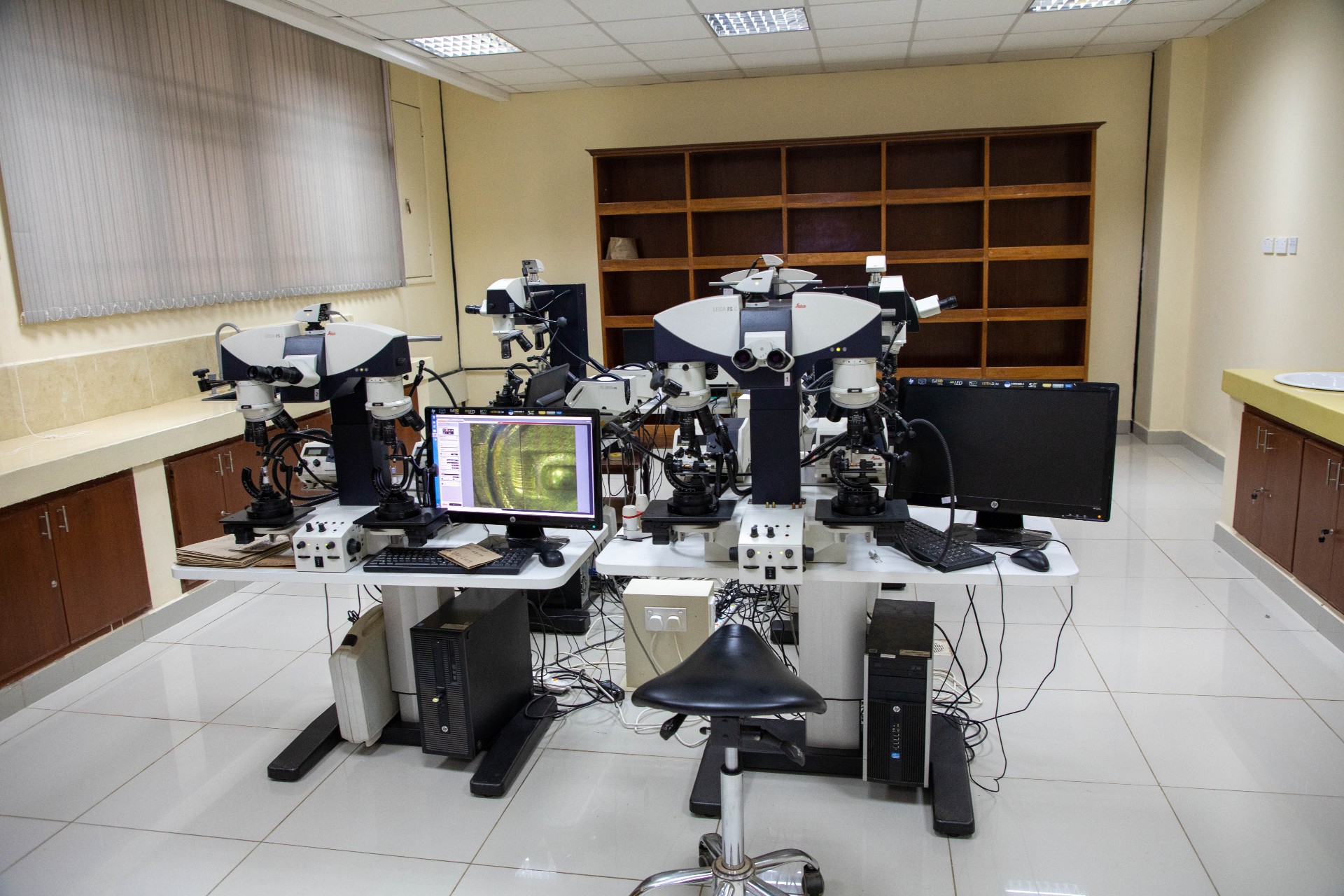
Forensics Ballistics Unit
The unit is mandated to undertake the following functions;
i. Identify and examine firearms, ammunition and related evidence
ii. Undertake Gunshot residue analysis and shot pattern examination
iii. Examine Tool marks
iv. Restore Serial number and markings
v. provide Shooting incident crime scene reconstruction support
vi. Adduce expert opinions before Kenya Law courts and court martials
vii. Create awareness on Forensic firearms and tool marks identification to police and other interested institutions
viii. Disseminate forensic firearms and tool marks intelligence to crime investigators and relevant agencies
ix. Create and maintain updated civilian firearms database
x. Conduct research, training and development on methods applicable in firearms and tool marks examination
xi. Create and maintain ballistics database of all firearms within the country
xii. Maintain reliable and verifiable evidence handling measures
xiii. Ensure quality and accreditation standards compliance
xiv.Creation and maintenance of Ballistics data for Forensic analysis
xv. Perform any other functions that may be referred to it by the Director Forensics or the Director of Criminal Investigation.
The Unit consists of the following sub-units:
a) Firearms and ammunition comparative analysis
i. Identify firearms, ammunition and related evidence
ii. Determine the safety and functionality of submitted evidence
iii. Examine firearms ammunition and related evidence
iv. Conduct test firing using appropriate equipment
v. Examine improvised or homemade firearms.
b)Tool marks examination
i. Examine impressed and striated tool marks.
ii. Compare marks made by tools (screwdrivers, crowbars, pliers, knives).
iii. Determine whether a specific tool made a particular mark.
iv. Analyze forced-entry marks on doors, windows, safes, and padlocks.
c) Serial number and marks restoration
i. Restore obliterated serial numbers and marks on firearms and tools.
ii. Use chemical, magnetic, or electrochemical techniques.
iii. Enhance faint or partially removed markings.
iv. Document restored numbers for investigative and court purposes.
d) Ballistics data management
i. Capture digital images of bullets and cartridge cases.
ii. Enter data into IBIS/NIBIN databases.
iii. Correlate crime-scene evidence with known cases.
iv. Identify links between multiple firearm-related crimes.
v. Support intelligence-led policing and crime pattern analysis.
e) Gunshot residue screening and distance determination
i. Examine clothing, skin, and objects for gunshot residue.
ii. Determine firing distance (contact, close, intermediate, distant).
iii. Support shooting reconstruction.
iv. Screen samples before confirmatory SEM-EDX analysis (if available).
f) Shooting incident reconstruction support
i. Assist in reconstructing shooting scenes.
ii. Determine direction of fire and bullet trajectories.
iii. Interpret ricochet and impact marks.
iv. Correlate firearms evidence with scene findings and autopsy results.
v. Prepare diagrams and technical explanations for court.
g) Quality assurance
i. Conduct technical peer reviews of casework.
ii. Ensure compliance with ISO/IEC 17025 or internal standards.
iii. Maintain standard operating procedures (SOPs).
iv. Monitor examiner competency and proficiency testing.
v. Audit documentation and case files.
h) Evidence handling and laboratory technical support
i. Receive, label, and secure firearms and ammunition.
ii. Maintain chain of custody.
iii. Ensure safe storage of submitted evidence (firearms, ammunition, tools, tool marks and related evidence)
iv. Manage test-fire evidence and reference collections.
v. Support court exhibits preparation.