The unit is mandated to undertake the following functions:-
i. Perform forensic toxicology analysis
ii. Perform forensic fire debris and explosives analysis
iii. Perform forensic analysis of drugs, controlled substances, and alcohol
iv. Perform chemical mapping and profiling of forensic evidence for intelligence and crime trend analysis.
v. Perform food safety analysis of chemical contaminants, additives, and adulterants.
vi. Conduct metals and minerals analysis to support forensic investigations and regulatory compliance.
vii. Provide expert scientific testimony to courts
viii. Provide technical advisory input for policy development, regulatory enforcement, and chemical threat response.
ix. Provide training to investigators on the collection, handling, preservation, and transportation of chemical evidence.
x. Conduct research and development of analytical methods and techniques to enhance accuracy, efficiency, and scope of forensic chemical analysis.
xi. Perform any other functions as may be referred to it by the Director of Criminal Investigations.
The Unit shall have the following sub-units:-
a) Toxicology – analyses biological and related samples to identify and quantify drugs, alcohol, poisons, and toxic substances to support investigations into cases, including homicide, sudden death, and impaired driving.
b) Fire and explosives – performs forensic analysis of fire debris, explosives, and post-blast residues to aid in arson and explosion investigations.
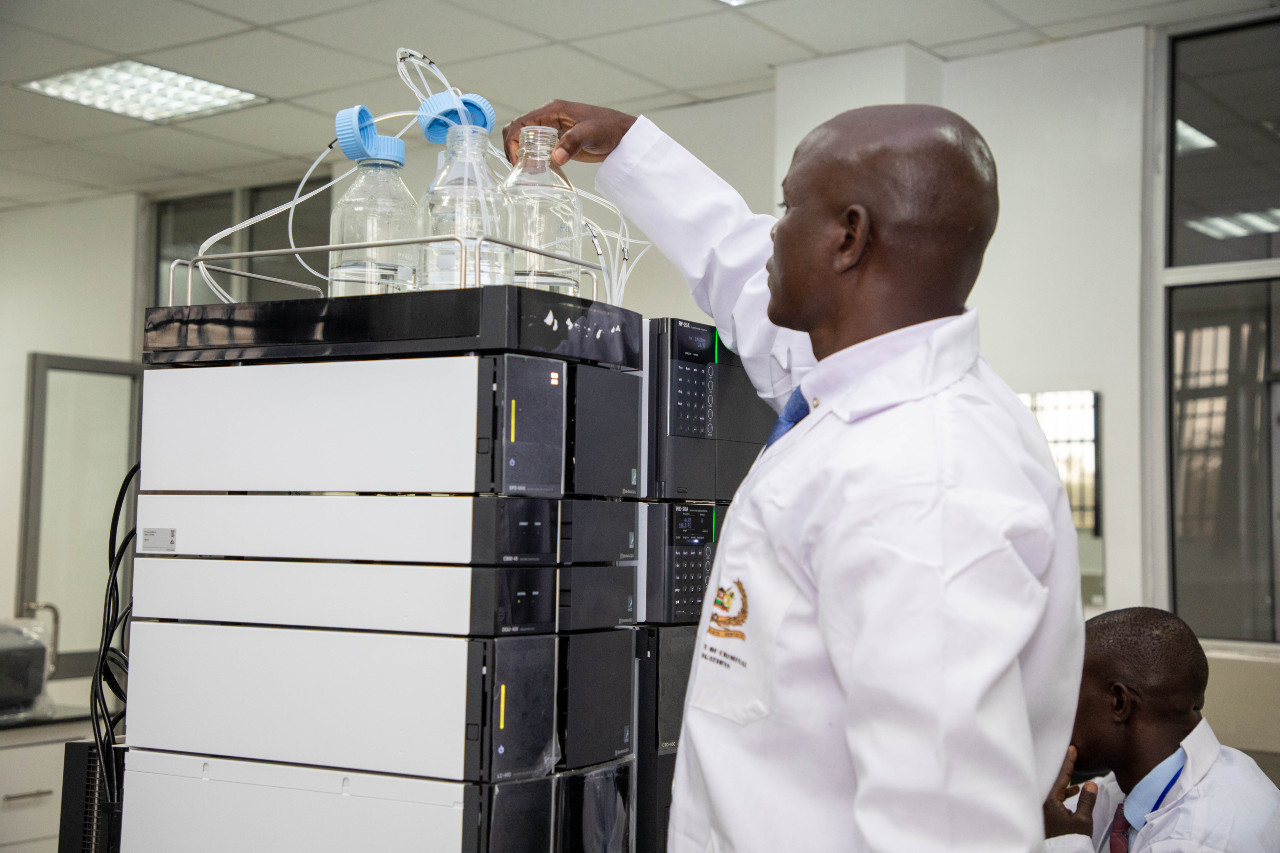
c) Instrumentation – Manages the operation, maintenance, and calibration of forensic analytical instruments to ensure quality assurance and laboratory readiness.
d) Drugs, alcohol, and controlled substances – analyses seized substances to identify and quantify Narcotic drugs, Psychotropic substances, and alcohol to support drug and alcohol related crimes.
e) Metals and minerals – conducts forensic analysis on metals, minerals, and inorganic materials to assist investigations involving contamination, illegal activities, and material identification.
f) Food safety – analyses food and beverage samples for chemical contaminants, adulterants to assist investigations into food-related offences.
g) Training and Research – Provides in-house competency training to analysts and investigators, as well as performing research to enhance forensic chemistry analytical capabilities.