The unit is mandated to undertake the following functions;
i. Crime scene search and forensic examination for trace evidence (latent prints, bio-fluids, fibres, and gun-powder).
ii. Recovery of 2D and 3D shoe and tyre mark impressions.
iii. Crime scene pattern analysis (blood spatter patterns, glass fracture patterns, burn patterns, projectile trajectory patterns)
iv. Crime scene and evidence documentation through note taking, photography, videography and sketching
v. Reconstruction of all crime scenes example murder, shooting incidence, robbery, accident scenes.
vi. Verification and restoration of serial numbers on motor vehicles, motor cycles and firearms (chassis and engine numbers)
vii. Explosive ordinance disposal and post blast investigations.
viii. Trap laying in cases of corruption.
ix. Research and development in matters relating to crime scene investigations.
x. Training law enforcement agencies in matters pertaining crime scene investigations and evidence management
xi. Presentation of evidence and expert opinion in court.
xii. Any other role as may be directed by the director-dci
The Unit consists of the following sub-units:
a) Incident response
i. Respond to all crime incidence when called upon
ii. Crime scene reconstruction
iii. Back up other CSI stations across the country in case they lack specialized equipment to process the scene
iv. Compile crime scene incidence reports from all CSI stations
v. Organize logistical issues in readiness of any incident response
vi. Carry out operational crime scene duties alongside other specialized units
b) FPS development and enlargement
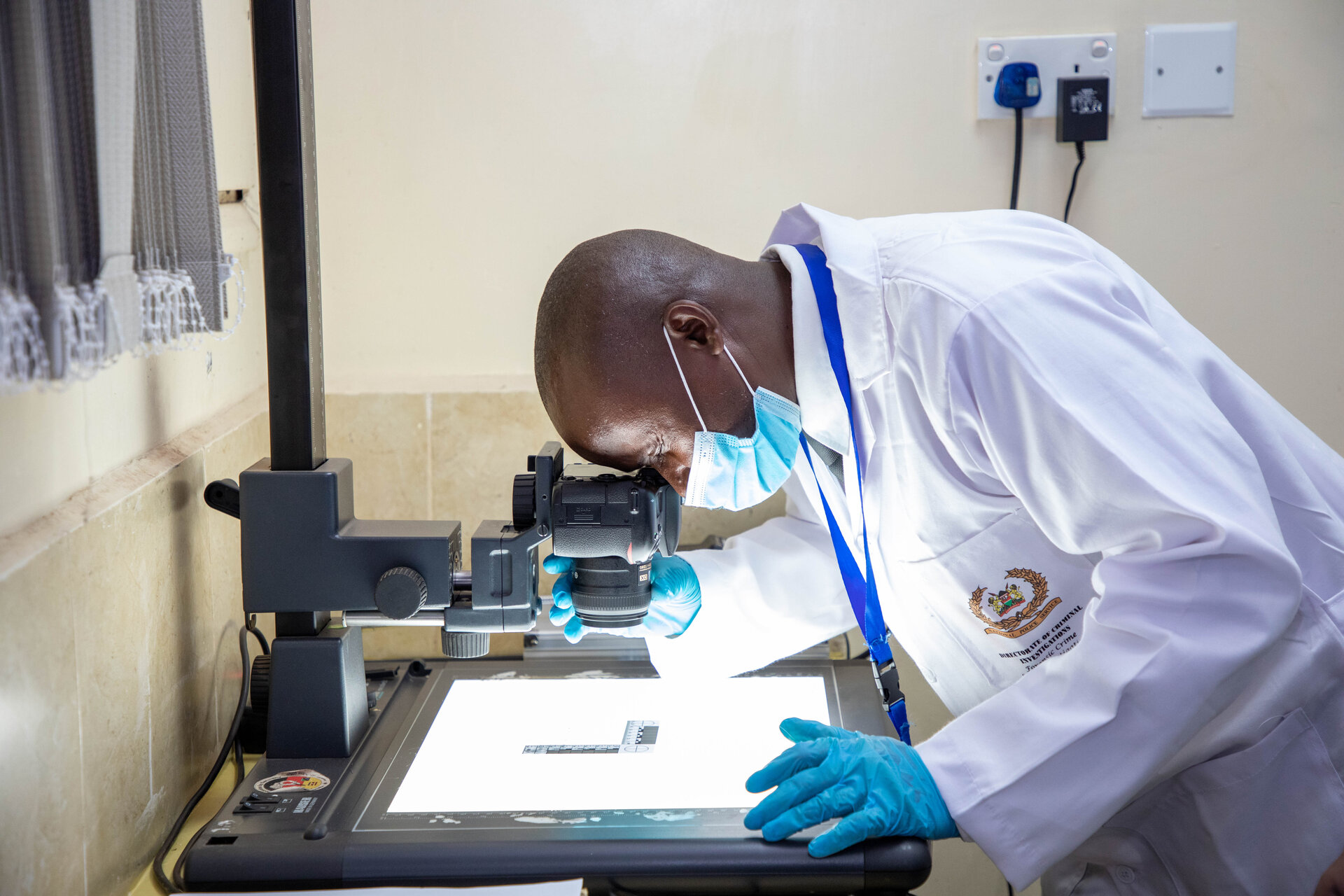
i. Fingerprint evidence Collection including locating, documenting (photos) and lifting fingerprints (latent, patent, plastic) from various surfaces submitted to the laboratory.
ii. Development & Enhancement of fingerprints using powders, chemicals, or specialized laboratory equipment.
iii. Enlargement of all fingerprints collected from the scenes using software before submitting for analysis
c) Verification and restoration
i. Verification of identification numbers (chassis and engine numbers) on all vehicles and motorcycles
ii. Chemical restoration of obliterated numbers on motor vehicles, motor cycles and firearms
iii. Examination of all vehicles involved in criminal cases
iv. Examine all motor vehicles referred to the section seeking a second opinion
d) Shoe and tyre marks analysis
i. Processing and recovery of 2D and 3D shoe and Tyre marks impression.
ii. Examination of Shoe and tyre marks.
iii. Preparation and presentation of reports and finding.
iv. Conducting training on matters Shoe and Tyre marks/ impressions
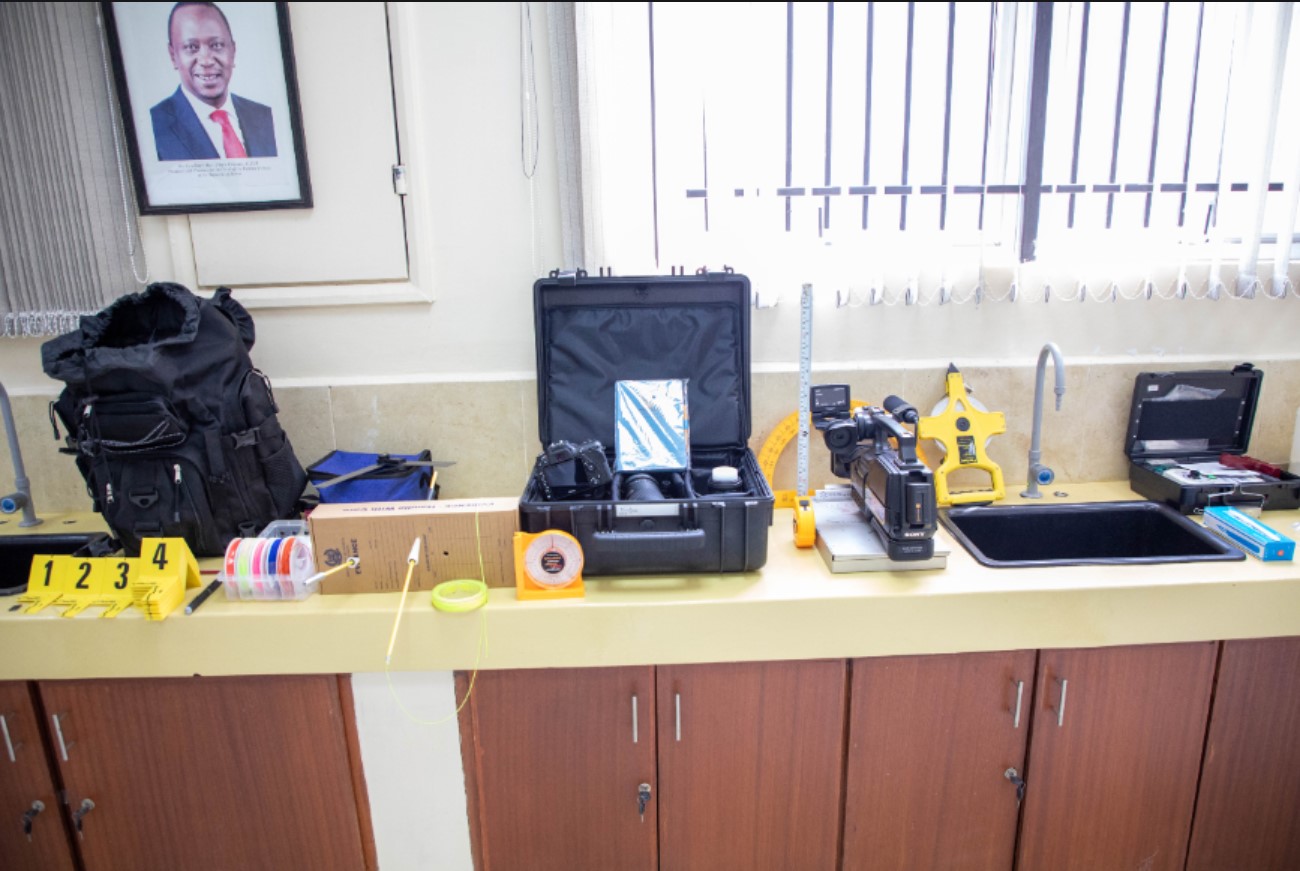
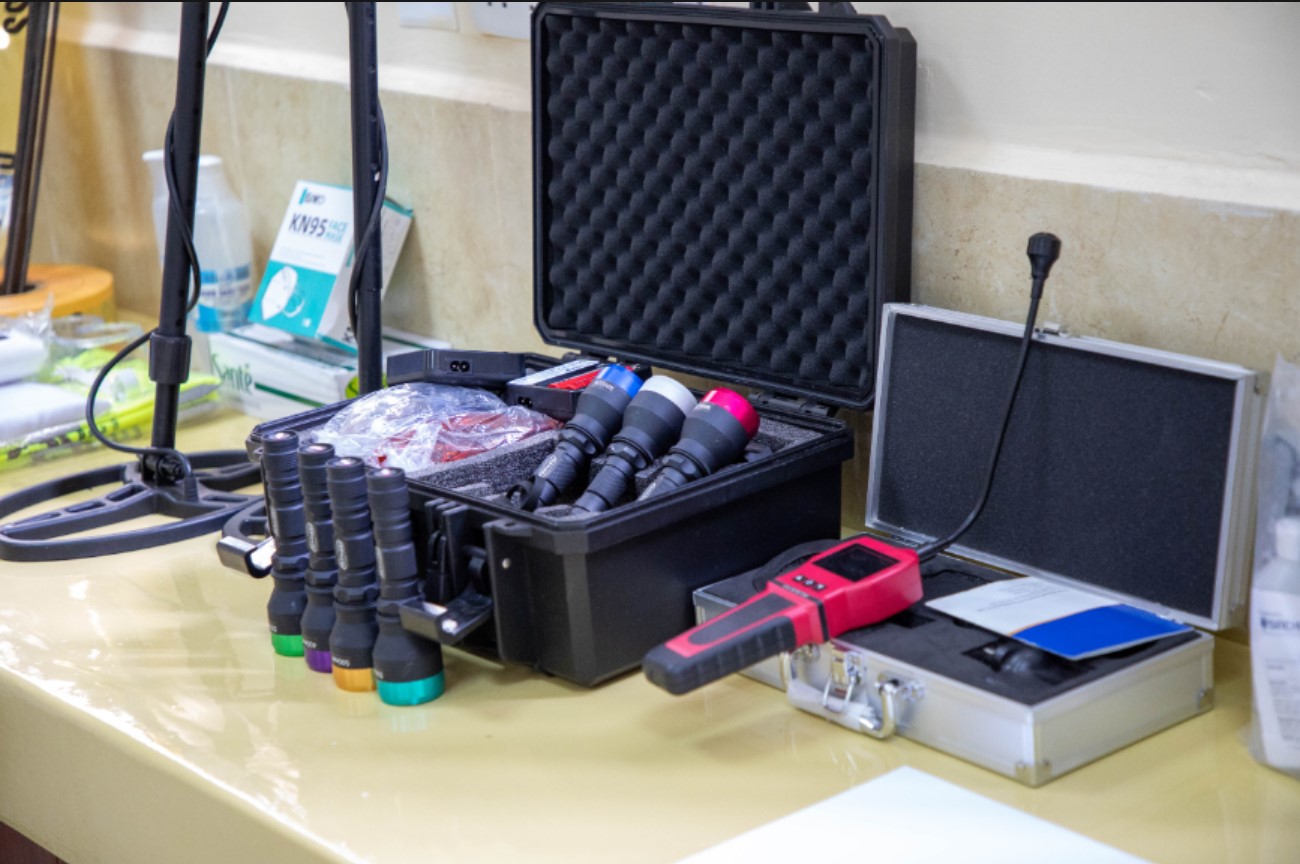
e) Tools, equipment and stores
i. Ensure all tools and equipment are well kept
ii. Conduct validation of all tools and equipment before issuing to out stations
iii. Research on modern tools and equipment needed for CSI work
iv. Ensure proper ledgers are kept for all CSI stores procured
v. Issuance of stores, tools and equipment to CSI officers across the country
vi. Ensure CSI stores, tools and equipment are right in quantity and type
f) Trace Evidence Examination
i. Analyze Microscopic Evidence and materials invisible to the naked eye that link individuals or objects at a crime scene.
ii. Use Specialized Techniques like microscopy (light, comparison, and electron), spectroscopy, and chemical tests to locate trace evidence.
iii. Compare unknown crime scene samples to known samples to find matches.
iv. Reconstruct Crimes to help determine the sequence of events and positioning of people or objects.
v. Prepare Reports and document findings meticulously and provide reports for investigators.
vi. Testify in Court to give findings on examinations and analysis performed.
vii. Conducting training on matters Shoe and Tyre marks/ impressions.
g. Training and research
i. Designing, development and updating of curriculum modules and learning materials
ii. Coordinating training programs for both new and existing staff.
iii. Conducting surveys, interviews and performance analysis to identify skill gaps and determine necessary training for CSI personnel.
iv. Research on new concepts, procedures and equipment.
v. Aligning the units training and research efforts with the long-term goals and mission of National Forensic Laboratory.
vi. Managing facilities and resources for CSI training and research program.